

The Situation
As this SaaS grew, its users generated a lot of data, and the pages that had to show it slowed to a crawl. The main list views were taking two to three seconds to load, and the app felt heavy to everyone using it.
That kind of delay quietly costs a business. A Google-commissioned study by Deloitte found that trimming mobile load times by as little as 0.1 seconds lifted conversions through the buying funnel and increased how much shoppers spent by 9.2%. Slow software gets used less.
The founder had concluded the backend was simply too slow and was ready to upgrade to a more expensive plan to fix it. Before he spent that money every month, he asked me to take a look.
What I Did
I started with measurement, not guesswork. Using Lighthouse, I profiled the slow pages and found the backend plan wasn’t the problem at all, the app was just asking it to do far more work than it needed to. So I cut the waste:
- Only load what’s on screen. Pages were pulling entire database tables on the first load. I changed them to fetch small summaries and just the first visible page of results, with pagination for the rest.
- Stop recalculating everything. One key figure was being counted by looping through full records in code. I moved that work into the database and used pre-computed counters, so the count comes back instantly.
- Run requests side by side. Independent lookups were happening one after another, including the login, permission, and data checks on admin pages. I made the ones that don’t depend on each other run at the same time.
- Reuse the login, don’t repeat it. The app was re-checking the user’s session and token multiple times per page. I validated it once and reused it.
- Defer the rest. Detail data now loads only when someone opens a case, and large product images were replaced with compact thumbnails that load as you scroll.
The Results
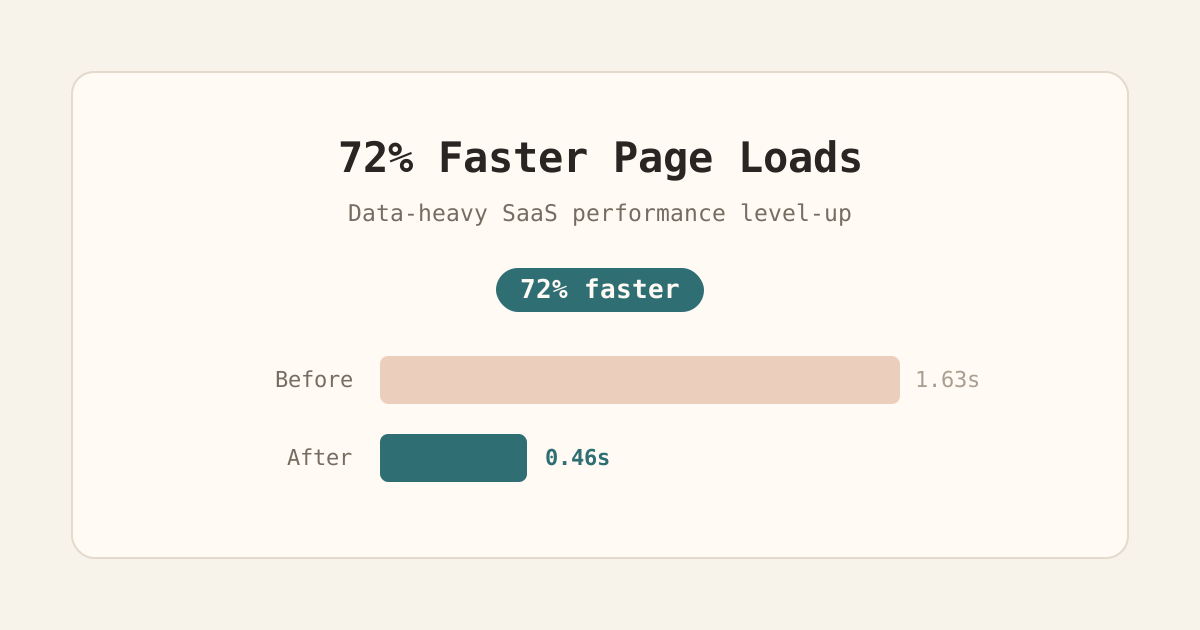
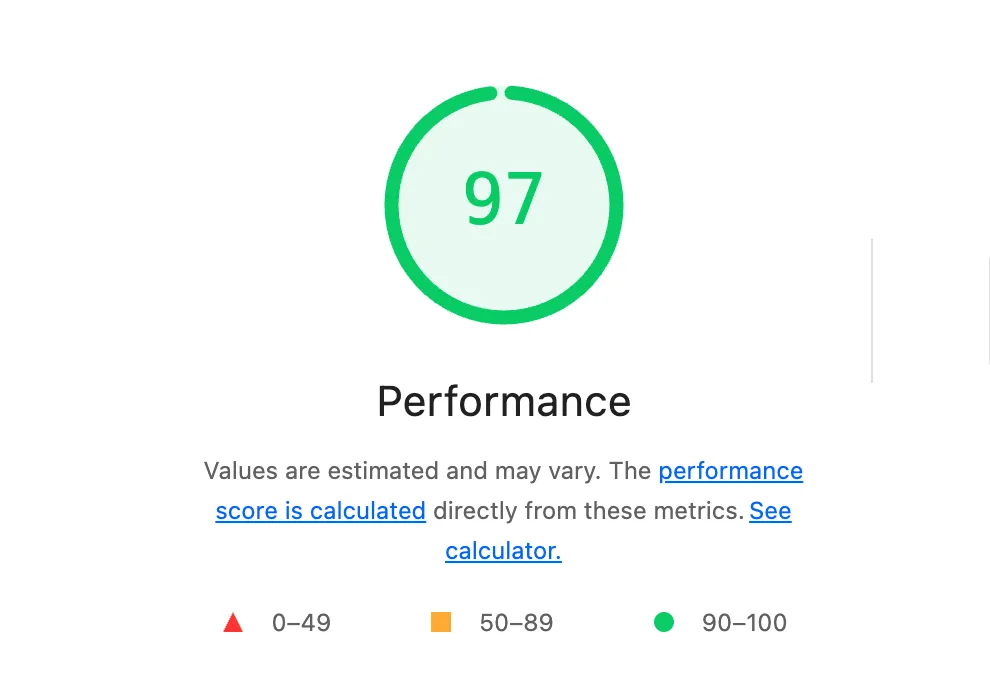
The dashboard’s server time dropped from 1.63s to 0.46s, 72% faster. The two heaviest pages followed: the Cases view went from 2.84s to 1.20s (58% faster) and Products from 3.07s to 1.24s (60% faster). Lighthouse now scores the app 97 for performance.
Just as importantly, the founder didn’t need the bigger backend plan. The slowness was never about capacity.
On the pages I optimized, the app now reads an estimated 50–90% less data from the database, which keeps that recurring bill down as the product keeps growing. He got a faster product and saved money he was about to spend every month for no benefit.